By Tyler
March 24, 2026
Your roof plays a critical role in protecting your home from the elements, but it is not always easy to determine whether a problem requires a simple repair or a full replacement. Many homeowners notice warning signs but are unsure how serious the issue might be. Understanding the key indicators can help you make informed decisions and know when to call experienced local roofers for professional guidance.
Recognizing the Age of Your Roof
One of the first factors to consider when evaluating your roof’s condition is its age. Most roofing materials have a general lifespan, and once that lifespan is reached, repairs may no longer be the most effective solution. Asphalt shingle roofs, for example, typically last between 20 and 30 years depending on the quality of materials, installation, and maintenance.
According to RoofLink, over 40% of U.S. single-family homes are older than 30 years old. This means a large number of homeowners may already have roofs approaching the end of their expected lifespan. If your home falls into this category, it may be worth having roofers inspect your roof to determine whether repairs will be sufficient or if replacement is the more practical option.
While age alone does not automatically require a new roof, it is an important factor when evaluating other warning signs. An older roof that begins to show damage is often better served by replacement rather than repeated repairs.
Identifying Visible Damage on Shingles
Damaged shingles are one of the most obvious signs that your roof needs attention. Shingles may become cracked, curled, blistered, or even completely missing due to wind, weather exposure, or normal aging. When damage is limited to a small area, targeted repairs may be all that is necessary to restore your roof’s protection.
However, widespread shingle damage often signals deeper problems. If you notice large sections of shingles deteriorating or repeatedly falling off after storms, repairs may only provide a temporary fix. In these situations, experienced local roofers may recommend replacing the roof to prevent ongoing problems and ensure long-term protection.
Regular visual inspections from the ground or from a safe vantage point can help homeowners identify potential problems early. Addressing damaged shingles promptly can prevent water from penetrating the underlying layers of the roof.
Checking for Persistent Roof Leaks
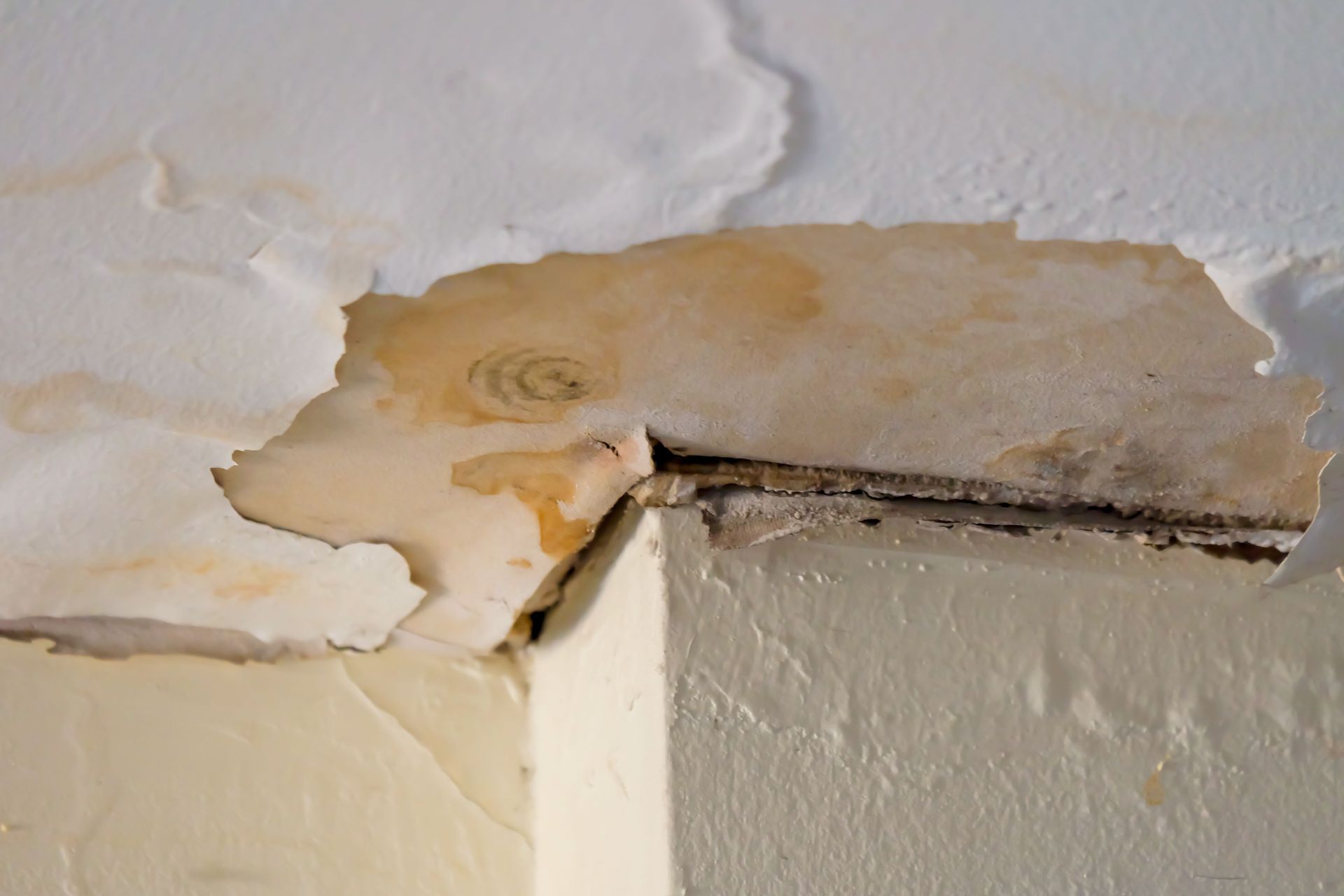
Having roof leaks is a serious concern because they can cause significant damage to both the structure of your home and the interior living spaces. Water stains on ceilings, damp insulation, peeling paint, or mold growth may all indicate that water is entering through the roof.
If a leak originates from a small, isolated area—such as around a vent, chimney, or flashing—it may be possible to repair the issue without replacing the entire roof. A professional inspection from roofers can pinpoint the source of the leak and determine whether the surrounding materials remain in good condition.
On the other hand, multiple leaks or recurring water damage can indicate that the roofing system is deteriorating more broadly. When leaks appear in different areas or continue after previous repairs, replacement may become the most reliable solution.
Evaluating the Condition of Your Roof Deck
The roof deck is the structural layer beneath your shingles that provides support for the entire roofing system. When moisture penetrates through damaged shingles or flashing, the decking can become weakened, warped, or rotted over time.
Signs of roof deck damage may include sagging sections of the roof, uneven roof lines, or areas that feel soft when walked on by professionals during an inspection. If the decking has been compromised, simple repairs may not be sufficient to restore the roof’s structural integrity.
In cases where deck damage is extensive, local roofers often recommend a full roof replacement so the underlying structure can be repaired or replaced along with the roofing materials. This approach ensures the entire roofing system remains safe and durable for years to come.
Noticing Granule Loss in Shingles
Asphalt shingles are coated with protective granules that help shield the roof from sunlight, moisture, and general wear. Over time, these granules can begin to wear away due to weather exposure and aging.
One common sign of granule loss is the presence of dark or bald spots on shingles. You may also notice an accumulation of granules in gutters or downspouts after heavy rain. While some minor granule loss is normal as roofs age, excessive loss can leave shingles vulnerable to damage.
If granule loss is limited to a few sections of the roof, repairs may extend its lifespan. However, widespread granule deterioration usually indicates that the shingles are nearing the end of their effectiveness. In this situation, local roofers may recommend replacing the roof to maintain proper protection for your home.
Observing Storm and Weather Damage
Severe weather events can cause sudden damage to roofing systems. High winds, hail, heavy rain, and falling debris can loosen shingles, damage flashing, or puncture roofing materials. After a major storm, it is always wise to inspect your roof for visible signs of impact.
Minor storm damage may only require small repairs to restore the roof’s functionality. For example, replacing a few missing shingles or resealing flashing may resolve the issue quickly and affordably. Professional inspections from roofers can help determine the full extent of the damage.
However, storms can sometimes cause more widespread structural damage that is not immediately visible. If large sections of shingles are damaged or if the roof’s underlying layers are compromised, a full roof replacement may ultimately provide the best long-term solution.
Comparing the Cost of Repairs and Replacement
Cost is often one of the most important considerations when deciding between roof repairs and replacement. Small repairs are generally less expensive in the short term, making them an appealing option for homeowners facing minor issues.
However, repeated repairs over time can quickly add up. If your roof requires frequent maintenance or repairs to address ongoing issues, replacing the roof may actually be the more cost-effective solution in the long run. A new roof can eliminate recurring problems and improve your home’s overall value and energy efficiency.
Professional assessments from experienced local roofers can help you compare the long-term costs and benefits of both options. By understanding the condition of your roof and the expected lifespan of your materials, you can make a more informed decision about the best course of action.
Deciding When Professional Inspection Is Necessary
While homeowners can often identify obvious warning signs, determining whether a roof needs repairs or replacement usually requires a professional evaluation. Roofing professionals have the experience and equipment needed to inspect all areas of the roof safely and thoroughly.
During an inspection, roofing specialists examine shingles, flashing, gutters, ventilation systems, and the roof deck to identify both visible and hidden issues. Their expertise allows them to recommend solutions tailored to the specific condition of your roof.
If you are unsure about the state of your roof, contacting trusted roofers for an inspection can provide valuable peace of mind. Early assessments can help you address minor problems before they develop into more costly repairs or structural damage.
Determining whether your roof needs repairs or a full replacement depends on several factors, including age, visible damage, leaks, and structural integrity. Paying attention to these warning signs can help homeowners take action before problems worsen. If you are looking for reliable local roofers, contact TR Contracting, LLC today to learn more and get started!