Hiring a roofing contractor is an important decision that affects the safety, durability, and appearance of your home. Asking the right questions can help you assess a contractor's experience, capabilities, and approach. This guide outlines key questions to ensure your roofing project is completed effectively and efficiently while protecting your investment. Taking the time to consider these factors allows for a smoother project experience and can provide clarity on what to expect throughout the process. According to This Old House, approximately 79% of homeowners hire professionals for their roofing needs.
1. What Is Your Experience With This Type of Roof?
Evaluate Expertise With Specific Materials
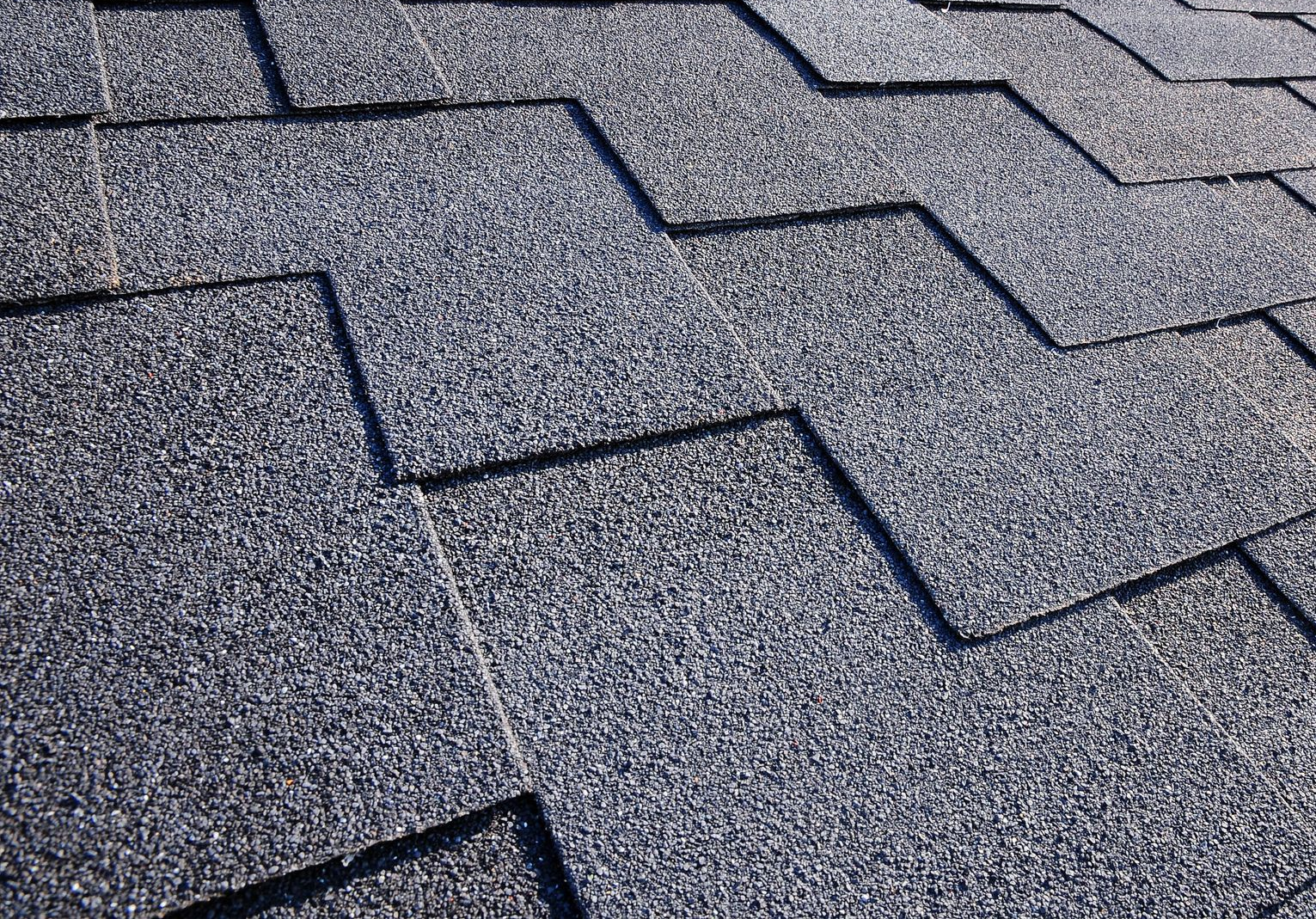
Contractors with experience in materials such as asphalt shingles, metal roofing, slate, TPO, and flat roofing systems can provide high-quality installation and repairs. Asking about familiarity with the material your roof uses helps ensure proper workmanship. Discussing how these materials perform under varying weather conditions and what maintenance considerations exist can further clarify expectations for the long-term performance of your roof.
Review Knowledge of Roofing Styles
Different roofing styles, including gable, hip, and flat, require specific techniques. Contractors familiar with multiple styles can offer solutions that are both functional and visually appropriate for your home. Considering how different styles interact with other elements of your home, such as gutters, siding, or ventilation systems, provides additional context for planning a cohesive exterior design.
2. What Should I Know About Warranty Coverage?
Confirm Workmanship Warranties
Confirm the warranty coverage included with your roofing project. Limited workmanship warranties and manufacturer warranties for materials provide protection for your investment. Reviewing the duration and specific details of each type of warranty helps set expectations for future maintenance and clarifies what kind of support is available if issues arise, supporting long-term care of your roof.
Understand Manufacturer Warranties
Overall, manufacturer warranties address defects in roofing materials. Knowing the duration and specifics of these warranties helps you plan for future maintenance and clarifies which issues are covered by the manufacturer versus the roofing contractor. Being informed about warranty coverage ensures that you are prepared for any potential concerns with the materials themselves.
3. How Can I Assess Past Work?
Request Examples of Completed Projects
Request examples of the contractor's completed roofing projects. Reviewing past work allows you to evaluate the quality, attention to detail, and craftsmanship. Observing a range of projects can also provide ideas for styles, materials, or approaches you might consider for your own roof, assisting in more informed decision-making for your home improvement plans.
Analyze Project Variety
Looking at a variety of completed projects demonstrates how contractors adapt to different challenges and project scales. This analysis can help you envision how your own project might proceed and provides insight into methods used for different roofing styles and materials.
4. How Should I Clarify Payment Arrangements?
Discuss Deposit and Progress Payments
Discuss payment expectations before starting your project. Ensure you understand any required deposits, progress payments, and the timing of final payment. Clarifying these details ahead of time allows you to budget appropriately and helps ensure that the project progresses smoothly in alignment with your financial plans.
5. How Can I Discuss the Project Timeline?
Request Estimated Duration
Ask the roofing contractor for an estimated timeline for your roofing project. Understanding the expected duration allows you to plan around the work and coordinate other home improvements. Discussing potential delays from factors such as weather or material availability helps prepare for adjustments and ensures the project proceeds as efficiently as possible.
Consider Factors Affecting Timelines
Understanding factors such as weather, material availability, and roofing contractor workload provides context for possible schedule changes. Discussing these considerations can help you plan contingencies and avoid unexpected delays. This knowledge allows for better overall project management and peace of mind during construction.
6. What Should I Know About Maintenance and Care?
Implement Routine Maintenance Practices
In addition to installation or repair, ask about maintenance recommendations for your roof. Guidance on proper care for different roofing materials can extend the life of your roof and maintain its appearance. Learning about routine upkeep, seasonal considerations, and ways to monitor your roof's condition helps prevent minor issues from becoming larger problems over time.
Plan Seasonal and Long-Term Care
Discuss how seasonal changes may affect your roofing material and what long-term strategies are recommended for upkeep. Planning ahead supports durability and keeps your roof looking and performing well for years to come. A proactive approach can reduce costly repairs and extend the roof's useful lifespan.
7. How Do I Evaluate Exterior Home Services?
Assess Window and Door Installation
When hiring a roofing contractor for exterior work, it's important to understand the full range of services beyond roofing. Ask about exterior door and window installation or replacement and how they ensure proper fit, energy efficiency, and weather resistance. Considering how these services complement each other can improve overall energy performance, curb appeal, and long-term functionality for your home.
Integrate Exterior Services With Roofing and Siding
Considering how exterior services interact with roofing and siding helps ensure cohesive installation. This reduces potential issues with leaks, drafts, or misalignment and enhances the home's overall performance. Coordinating exterior work promotes a more streamlined and visually appealing finish.
8. What Should Be Included in a Gutter System Plan?
Design Effective Gutter Systems
Proper water management is critical for protecting your home's foundation and landscaping. Discuss how the roofing contractor designs and installs gutter systems tailored to your roofline and drainage requirements. Topics to cover include material options, custom-fit gutter sizes, integration with downspouts, and measures to prevent clogging. Reviewing how the system handles heavy precipitation can help anticipate potential issues and make informed decisions about its design.
Address Maintenance Considerations
Review how the system will handle water flow, heavy precipitation, and debris accumulation. This allows you to anticipate maintenance needs and reduces the risk of water damage to your home. Discussing these factors ensures the gutter system is functional for the long term.
9. What Are the Key Considerations for Window and Door Upgrades?
Select Materials and Optimize Energy Efficiency
Upgrading windows and exterior doors can enhance your home's appearance and energy efficiency. Ask about available materials, energy ratings, and installation timelines. Properly installed windows and doors improve insulation, reduce utility costs, and contribute to long-term comfort. Considering how placements interact with sunlight, ventilation, and interior layouts can optimize overall home comfort and functionality.
Plan Installation and Layout
Ask how window and door placement affects ventilation, sunlight, and interior layouts. Proper planning enhances the overall comfort, appearance, and performance of your home. Correct placement ensures functional operation and long-lasting performance.
10. What Should I Know About Metal Building Construction and Custom Projects?
Discuss Structural Requirements and Durability
For projects involving structures beyond standard roofing, such as metal storage units or custom metal buildings, discuss the contractor's experience with these installations. Key considerations include load-bearing requirements, material durability, and long-term stability. Additionally, understanding how the design integrates with your property, potential expansion, and future use provides a clearer picture of the building's long-term functionality and suitability.
Plan Design Integration and Future Use
Consider how the structure fits within the property and allows for potential expansion or changes in use. Planning ahead supports functionality and provides a long-lasting solution. This approach ensures the building will meet evolving needs while remaining safe and efficient.
Choosing the right roofing contractor requires thoughtful planning and consideration of experience, material knowledge, past projects, warranties, payment arrangements, and project timelines. Evaluating additional services, such as gutters, windows, doors, and custom metal structures, provides a more complete approach to maintaining and improving your home's exterior. To explore these services and learn how they can support your next project, learn more about TR Contracting, LLC and our services.