By Tyler
September 11, 2026
Tree coverage in residential settings presents a dual-edged sword for homeowners, especially concerning the maintenance of asphalt roofs. While providing numerous benefits such as shade and aesthetics, trees can also impact the durability and longevity of roofing materials. Strategic tree management helps mitigate potential damage while maximizing the cooling benefits of shade. Taking proactive steps ensures your home remains protected from overhead hazards throughout every season.
Managing Moisture Retention on Shingles
When branches continually shade a roof, wet surfaces take much longer to dry after rainstorms. Prolonged moisture retention accelerates shingle decay, creating a prime environment for algae and wood-rotting fungi. In the context of industry trends, the asphalt shingles roofing material market is dynamically evolving. According to LinkedIn, the asphalt shingles roofing material market was valued at USD 11.05 billion in 2025 and is expected to reach up to USD 18.34 billion by 2035. This growth highlights the need for advanced, moisture-resistant shingles on heavily shaded properties.
Clearing Fallen Leaves and Debris
As trees shed leaves, organic debris piles up on roof valleys and inside gutter systems. Clogged downspouts cause rainwater to back up beneath the eaves, eventually seeping into structural roof decking. Additionally, damp leaves create a fertile breeding ground for moss, which weakens shingle adhesion over time. Homeowners must establish regular maintenance routines to keep drainage pathways completely clear. Hiring a licensed roofing contractor to perform annual gutter cleanings prevents costly water intrusion issues.
Slowing Down Shingle Wear and Tear
Constant exposure to damp shade and falling debris accelerates the overall degradation of asphalt shingles. Repeated wet-and-dry cycles weaken asphalt binders, leading to cracked, curled, or granule-depleted shingles. While asphalt shingles are engineered for durability, persistent humidity shortens their expected lifespan. Property owners should partner with a reliable roofing contractor to inspect shaded roof sections for early signs of shingle deterioration, ensuring timely repairs.
Inhibiting Dark Mold and Algae Growth
Gloeocapsa magma, a common blue-green algae, thrives on shaded asphalt shingles, causing unsightly dark streaks across the roof. While algae is primarily a cosmetic issue, mold growth penetrates deeper, degrading shingle thermal resistance and backing materials. Installing copper or zinc strips near roof ridges helps inhibit biological growth naturally. Applying specialized anti-algae washes removes dark staining without damaging sensitive shingle granules or stripping away protective coatings.
Stopping Long-Term Material Deterioration
Continuous moisture retention and physical friction from branches eventually break down underlying roof substrates. In humid climates, unaddressed moisture rot weakens roof sheathing, requiring structural wood panel replacements. Upgrading to high-performance architectural shingles with built-in algae resistance helps combat tree-related wear. Consulting with an experienced roofing contractor allows homeowners to select advanced roofing products designed to withstand high-moisture, heavily shaded residential environments.
Mitigating Water Damage and Interior Leaks
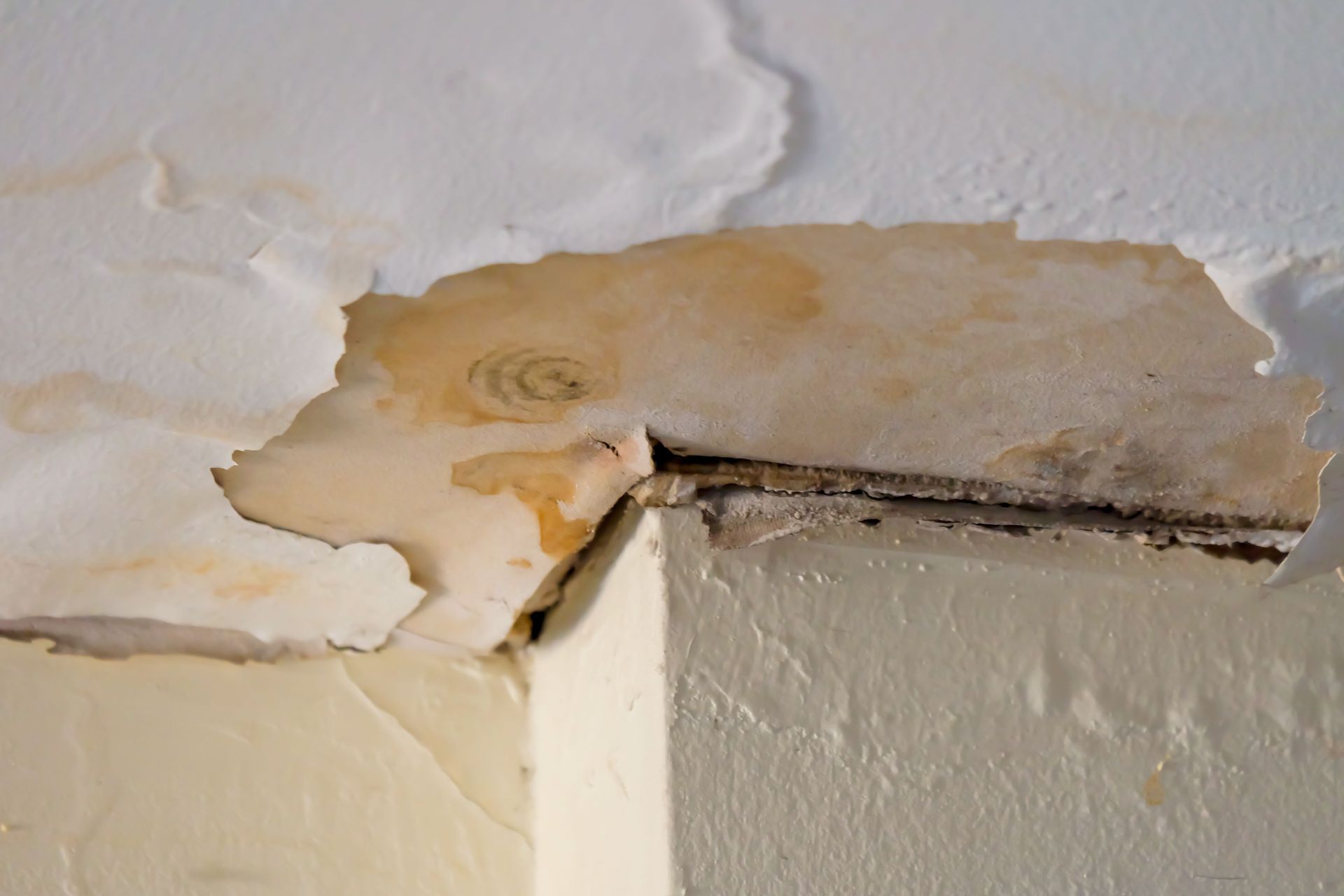
Trapped roof water eventually finds its way past compromised shingles and underlayment, leaking into attic spaces and interior ceilings. Water stains on drywall signal that exterior drainage pathways have failed due to debris accumulation. Promptly repairing leaking roof sections prevents structural wood rot, ruined attic insulation, and hazardous indoor mold growth. Installing heavy-duty gutter guards helps keep water flowing freely away from the foundation even during heavy downpours.
Controlling Structural Repairs and Long-Term Costs
Neglecting tree-related roof damage leads to expensive structural repairs over time. Structural repairs resulting from fallen limbs or rot cost far more than routine tree trimming and shingle inspections. Warmer months bring rapid tree growth and heavy leaf accumulation, while winter storms bring ice damage from overhanging limbs. Scheduling annual roof evaluations helps property owners catch minor shingle defects early before they turn into full roof replacements.
Reducing Summer Heat Gain and Energy Bills
Despite potential moisture risks, tree shade offers substantial energy-saving benefits during hot summer months. Blocking direct sunlight keeps attic temperatures cooler, lowering household air conditioning demands and reducing monthly utility costs. Cooler roof temperatures also slow down the thermal aging of asphalt materials, keeping shingles flexible for years. Strategically managing nearby tree limbs lets homeowners enjoy natural cooling benefits while keeping their roof safe.
Balancing Sun Exposure with Tree Coverage
Maximizing the benefits of shade requires maintaining proper sunlight exposure so the roof dries completely after precipitation. Trimming dense tree canopies lets air and sunlight reach the roof deck, drying out trapped moisture without eliminating shade. Choosing sun-tolerant, disease-resistant tree species near homes reduces falling debris while keeping roof surfaces dry. Achieving this balance protects shingles from thermal stress while preventing algae and moss growth.
Installing Gutter Guards for Better Drainage
Gutter protection systems prevent leaves, pine needles, and twigs from clogging roof drainage channels. Mesh and reverse-curve gutter guards allow rainwater to enter the downspout while shedding organic debris onto the ground below. Keeping gutters open prevents water from pooling along roof eaves and rotting wood fascia boards. Pairing quality gutter guards with routine inspections keeps drainage systems working smoothly year-round.
Scheduling Professional Roof Evaluations
Regular roof inspections identify subtle shingle damage, flashing leaks, and moss growth before major structural problems develop. Professional inspectors evaluate shingle granule loss, check flashing seals around chimneys, and inspect attic sheathing for hidden moisture stains. Identifying minor defects early saves homeowners thousands of dollars in emergency repair costs. Scheduling a comprehensive evaluation with an insured roofing contractor keeps your entire roof assembly performing at its best.
Hiring Professional Tree Trimming Services
Trimming large trees near power lines or rooflines requires specialized safety equipment and professional expertise. Certified arborists prune overhanging branches without injuring the tree or risking property damage from falling limbs. Removing dead or structurally weak limbs eliminates major hazards before severe weather hits. Professional tree maintenance protects your home while preserving the health and appearance of mature shade trees.
Upgrading to Algae-Resistant Shingles
When replacing an aging roof in a heavily shaded area, selecting algae-resistant shingles provides long-term protection against dark staining. Modern asphalt shingles feature copper-infused granules that release metal ions during rainstorms, preventing algae spores from attaching. These advanced materials keep shaded roofs looking clean without frequent pressure washing. Working with a qualified roofing contractor ensures new shingles are installed according to manufacturer specifications for maximum warranty coverage.
Inspecting Flashing and Roof Seals
Tree debris often collects around roof penetrations, including plumbing vents, skylights, and chimney flashing. Moisture trapped against metal flashing accelerates rust and degrades rubber boots, opening pathways for rainwater leaks. Inspecting roof penetrations ensures seals remain tight and waterproof. Replacing worn flashing and dried sealant prevents hidden leaks from damaging interior ceilings and walls during heavy rains.
Cleaning Roof Surfaces Safely
Removing accumulated moss and algae requires delicate cleaning techniques to prevent stripping protective granules from asphalt shingles. High-pressure power washing damages shingle surfaces and voids manufacturer warranties. Using gentle, low-pressure chemical treatments kills moss roots without loosening granule coatings. Routine cleaning keeps shaded roofs performing well while maintaining clean curb appeal across the property.
Preparing Roofs for Winter Storms
Preparing shaded roofs for winter requires clearing autumn leaves and trimming weak branches before snow falls. Heavy snow loads on overhanging limbs increase the risk of broken branches falling onto the roof deck. Clearing gutters before freezing weather prevents ice dam formation along eave lines.
Protecting an asphalt roof under dense tree canopies requires continuous maintenance, strategic tree trimming, and quality material selection. Homeowners who stay proactive with debris removal, gutter cleaning, and shingle repairs enjoy the natural shade of mature trees without sacrificing structural durability. Partnering with certified tradespeople ensures every component of your roof stays watertight and structurally sound. To protect your home's exterior with reliable inspections, repairs, and full replacements, contact TR Contracting, LLC.