By Tyler
May 7, 2026
Asphalt shingle roofing remains one of the most widely used systems in residential construction across the country due to its balance of durability, cost efficiency, and design flexibility. Homeowners often prioritize materials that can withstand seasonal weather shifts while still maintaining strong curb appeal, and asphalt shingles consistently meet that demand.
Regular upkeep plays a major role in extending the life of any roofing system. Small issues that go unnoticed can gradually develop into larger structural concerns, especially when exposure to rain, wind, and temperature changes is constant throughout the year. Understanding how to care for your roof helps reduce long-term repair costs and preserves the overall integrity of your home.
1. Routine Inspection and Preventive Care
Visual Roof Assessments and Surface Monitoring
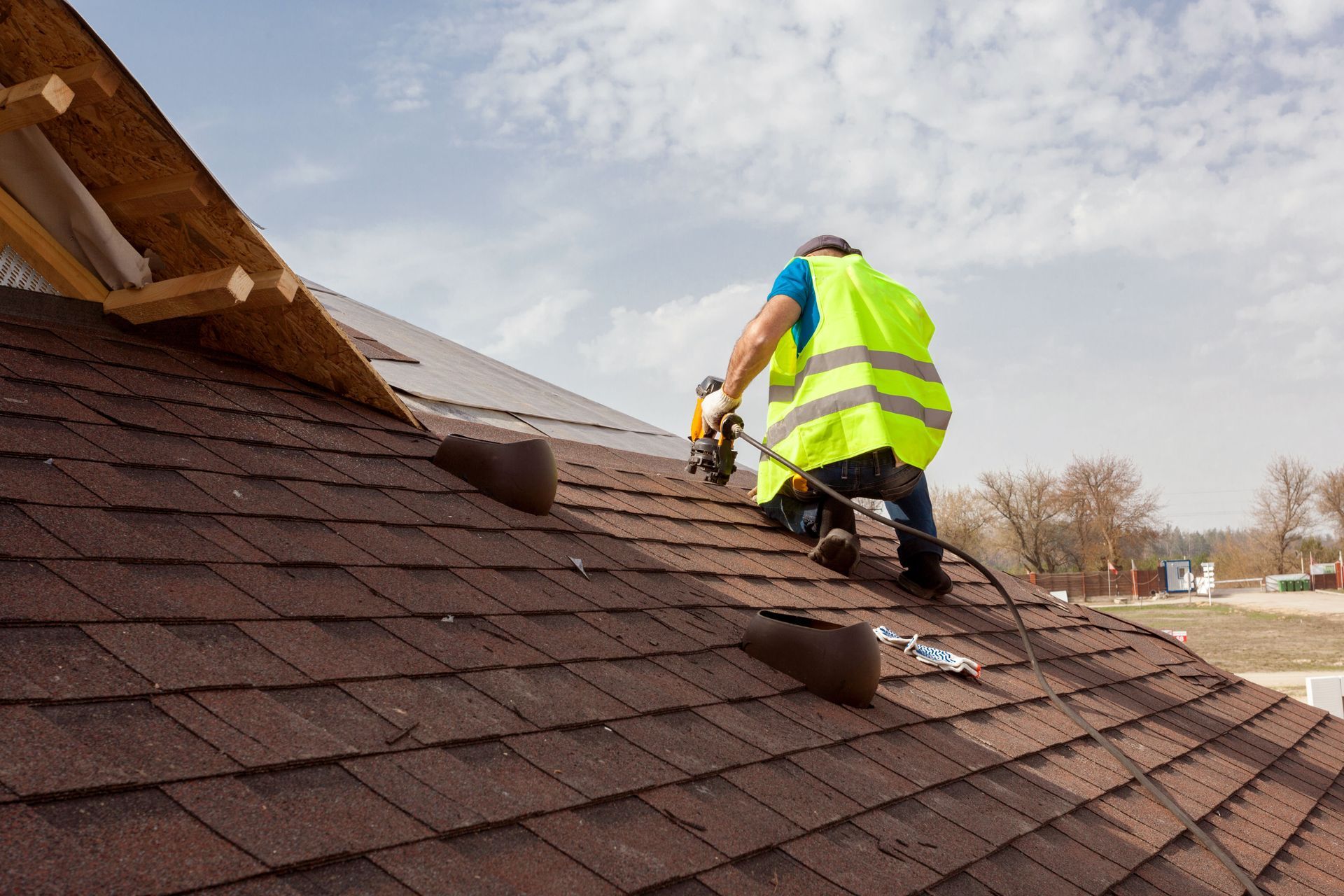
A consistent inspection routine is one of the most effective ways to maintain an asphalt shingle roof. A roofing contractor typically begins with a visual assessment of the roof surface, looking for early signs of wear such as lifted shingles, surface irregularities, or discoloration patterns that may indicate underlying issues.
Homeowners often overlook subtle changes because roof damage tends to develop gradually. However, even minor imperfections can signal the beginning of larger problems, especially after heavy storms or prolonged exposure to heat. A roofing professional will often emphasize the importance of checking the roof at least twice a year, ideally in spring and fall, when seasonal transitions can reveal new stress points.
During these inspections, attention is also given to surrounding components such as ridge caps and edges, where wind uplift commonly begins. Early detection allows for small corrections before more extensive repairs become necessary, preserving the structure of the roof and extending its service life.
Gutter and Drainage System Maintenance
Proper drainage is essential for maintaining asphalt shingles, as standing water can accelerate deterioration. Gutters and downspouts play a critical role in directing water away from the roof surface and foundation. When these systems become clogged with leaves or debris, water can back up and seep beneath shingles, causing hidden damage.
A roofing contractor often evaluates drainage performance as part of a full roof maintenance plan. Blocked gutters not only affect water flow but can also add unnecessary weight to roof edges, increasing the risk of sagging or structural strain. Ensuring that water moves freely away from the home helps protect both roofing materials and exterior walls.
Regular cleaning and inspection of gutters after storms or seasonal changes can significantly reduce the likelihood of water-related issues. This preventive approach is one of the simplest yet most effective ways to maintain roof health over time.
Early Detection of Shingle Wear Patterns
Asphalt shingles naturally experience wear over time, but identifying early signs can prevent costly repairs. A roofing expert pays close attention to patterns such as granule loss, curling edges, or uneven coloration, all of which indicate that shingles are beginning to degrade.
Granules protect shingles from UV exposure, and when they begin to wash away, the underlying material becomes more vulnerable. Curling or lifting edges can allow wind and moisture to penetrate the roof system, increasing the risk of leaks. These early indicators should never be ignored, as they often signal that maintenance or partial replacement may be needed.
By addressing these issues early, homeowners can extend the lifespan of their roof and avoid more extensive damage. Preventive monitoring remains one of the most cost-effective strategies in roof care and is frequently recommended by an experienced roofing contractor.
2. Moisture Management and Leak Prevention
Identifying Vulnerable Roof Penetrations
Roof openings such as vents, chimneys, and skylights are common points where moisture intrusion begins. A roofing professional typically inspects these areas carefully because flashing materials and sealants can degrade over time, creating small openings that allow water to enter.
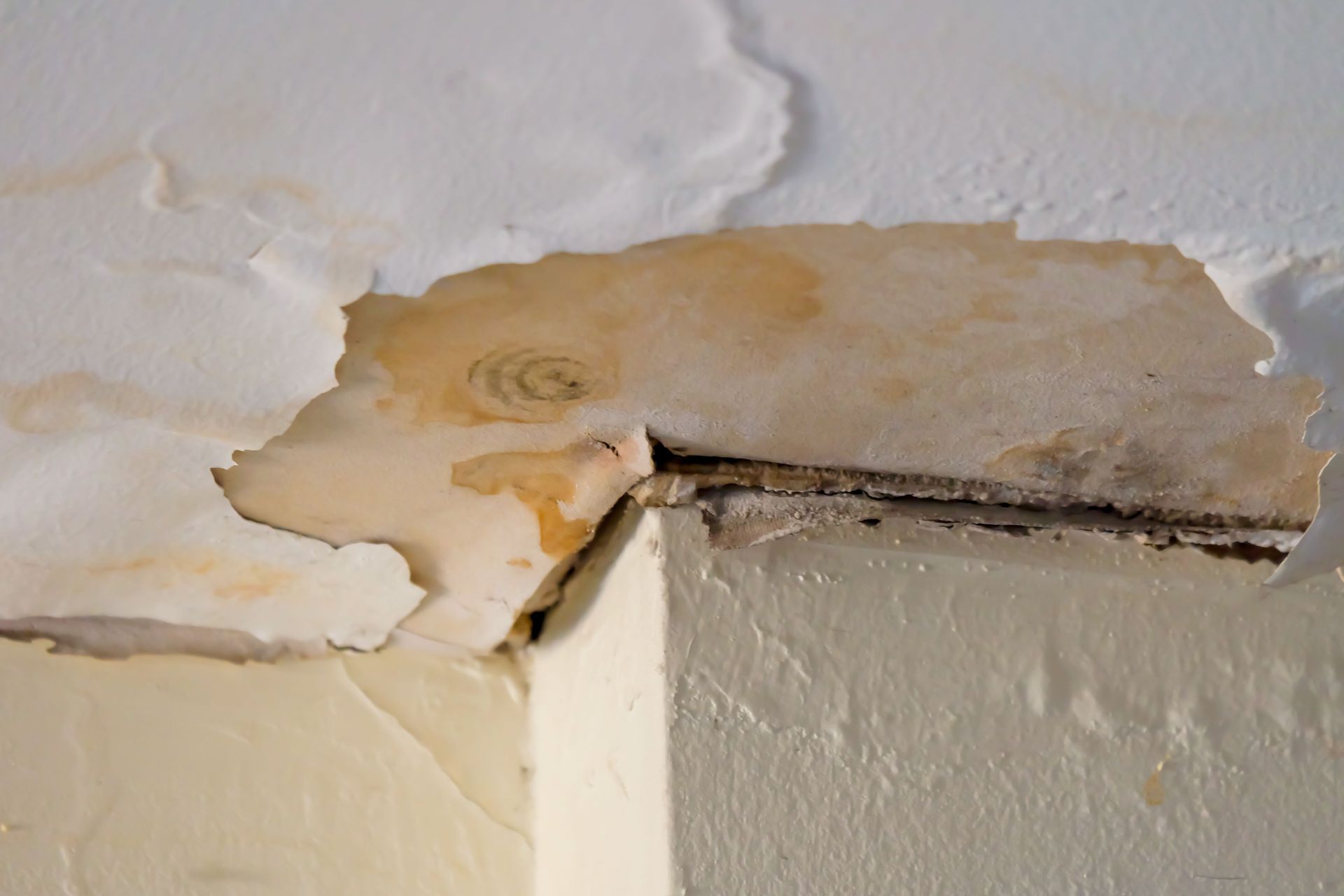
Even minor gaps around these structures can lead to interior damage if left unaddressed. Water intrusion often begins subtly, appearing as faint ceiling stains or slight discoloration in attic spaces. These early warning signs should prompt immediate evaluation to prevent further structural issues.
Proper sealing and reinforcement of vulnerable areas ensure that water is directed away from entry points. Regular inspection of these zones is a key part of maintaining a watertight roofing system and protecting the home from long-term moisture damage.
Managing Attic Ventilation and Airflow Balance
Balanced airflow within the attic space plays an important role in moisture control. Without proper ventilation, heat and humidity can become trapped, leading to condensation buildup beneath the roof deck. A roofing contractor often evaluates ventilation systems to ensure they are functioning effectively and providing consistent airflow.
Excess moisture in the attic can weaken roofing materials from the inside out, contributing to mold growth and wood deterioration. Proper intake and exhaust ventilation help regulate temperature and reduce the risk of condensation forming on the underside of shingles.
Maintaining airflow balance also contributes to energy efficiency and helps stabilize roof temperature fluctuations. This reduces overall stress on asphalt shingles and supports long-term performance under varying weather conditions.
Regional Roofing Considerations and Material Performance
In many parts of the country, asphalt shingles are the preferred roofing material due to their adaptability and durability. According to Fixr, asphalt shingles are installed on roughly 80% of homes in the United States, reflecting their widespread use and reliability across different climates.
A roofing expert often considers local weather conditions when assessing roof performance. Areas with frequent storms or temperature swings may require more frequent inspections and maintenance to ensure shingles remain secure and effective. Understanding how environmental factors impact roofing materials helps homeowners make more informed maintenance decisions.
This widespread use of asphalt shingles also means that repair techniques and replacement options are well-established, making maintenance more straightforward when addressed promptly by a roofing contractor.
3. Shingle Protection and Seasonal Maintenance
Seasonal Weather Impact and Preventive Preparation
Seasonal changes can place significant stress on asphalt shingles. High winds, heavy rain, and temperature fluctuations all contribute to gradual wear. A roofing professional typically recommends preparing the roof ahead of seasonal transitions to minimize potential damage.
Before severe weather periods, it is important to ensure that shingles are properly secured and that any loose materials are addressed promptly. This reduces the risk of wind uplift and water intrusion during storms. Seasonal preparation is not only about response but also about prevention, helping homeowners avoid emergency repairs.
By maintaining a proactive approach, homeowners can reduce the long-term impact of weather exposure and preserve the structural integrity of their roofing system throughout the year.
Surface Protection and Granule Preservation
Granules play a critical role in protecting asphalt shingles from ultraviolet exposure and physical wear. Over time, these granules can loosen due to weather exposure and natural aging. A roofing contractor monitors granule loss as part of routine maintenance because it directly affects the durability of the shingles.
Excessive granule loss can lead to accelerated aging and reduced water resistance. This makes shingles more vulnerable to cracking and surface deterioration. Preventing unnecessary wear involves ensuring that roof surfaces are not subjected to avoidable abrasion, such as debris accumulation or improper cleaning methods.
Protecting the surface of the roof helps maintain its protective barrier and extends the lifespan of the entire system. Regular observation and timely maintenance are essential components of this process.
Storm Response and Post-Weather Inspections
After severe weather events, a roofing contractor typically performs a detailed inspection to assess potential damage. High winds and heavy rainfall can dislodge shingles, compromise flashing, or create hidden vulnerabilities that are not immediately visible from the ground.
Homeowners are encouraged to check for obvious signs of damage after storms, but professional inspections provide a more thorough evaluation. Even minor disturbances can develop into significant issues if left untreated, especially when subsequent rainfall occurs.
Post-storm maintenance ensures that any compromised areas are addressed quickly, preventing further deterioration and maintaining the overall stability of the roof system.
Maintaining an asphalt shingle roof requires consistent attention, preventive care, and timely response to early warning signs. From routine inspections and moisture control to seasonal protection strategies, each step plays a role in preserving the long-term performance of the system. A roofing contractor remains an essential resource throughout this process, helping homeowners make informed decisions and avoid unnecessary damage. For more information on maintaining your asphalt roof, reach out to TR Contracting, LLC!