Water intrusion causes extensive structural decay before homeowners notice obvious dampness within their living spaces. Moisture creeps through tiny exterior gaps, spreading across wooden rafters and interior drywall. By the time paint bubbles or plaster softens, the hidden damage is severe. Early detection of these subtle flaws prevents catastrophic ceiling collapse and massive financial loss. Homeowners must learn the specific signs of water entering their private sanctuaries.
Understanding structural vulnerabilities requires keen observation and proactive habits. Minor exterior drips morph into massive internal hazards without immediate intervention. People ignore small ceiling blemishes, dismissing them as mere shadows or insignificant dirt. However, vigilance saves homes from dangerous rot. Contacting a professional roof repair service becomes necessary when these insidious signs appear. Identifying the source takes patience and a systematic approach to property maintenance.
Inspecting the Attic Space
The highest area of a house holds critical clues regarding moisture intrusion. Darkness obscures structural flaws, making a strong flashlight essential for thorough evaluation. Wood panels absorbing moisture show dark, irregular rings along the grain. Mildew growth along the structural rafters indicates inadequate ventilation and lingering dampness. A musty odor precedes visual confirmation of severe water damage within this enclosed environment.
During rainstorms, property owners should ascend to this topmost level to observe active leaks. Fresh drips become visible against dry fiberglass insulation or bare wood decking. Listening to the environment reveals faint splashing sounds from hidden corners. Tracing these sounds helps pinpoint the exact location of compromised exterior materials. Water travels along structural beams, meaning the entry point might sit distant from the visible floor puddle.
Insulation acts as a massive sponge for intruding moisture. Cellulose materials form clumps and lose their thermal resistance properties when wet. Pressing a bare hand against these materials reveals hidden dampness beneath the surface. If the insulation feels heavy and compacted, water has penetrated the exterior barrier. Calling a qualified roof repair service ensures proper identification of these unseen entry points before black mold spreads.
Nails protruding through the decking provide another diagnostic tool for astute observers. Cold weather condenses moisture on these metal points, creating a visible frost layer. When temperatures rise, this frost melts and drips onto the ceiling. Rust forming on these iron nails confirms consistent water exposure over prolonged periods. Addressing these rusty indicators halts further deterioration of the wooden framework supporting the entire structure.
Examining the Ceiling Stains
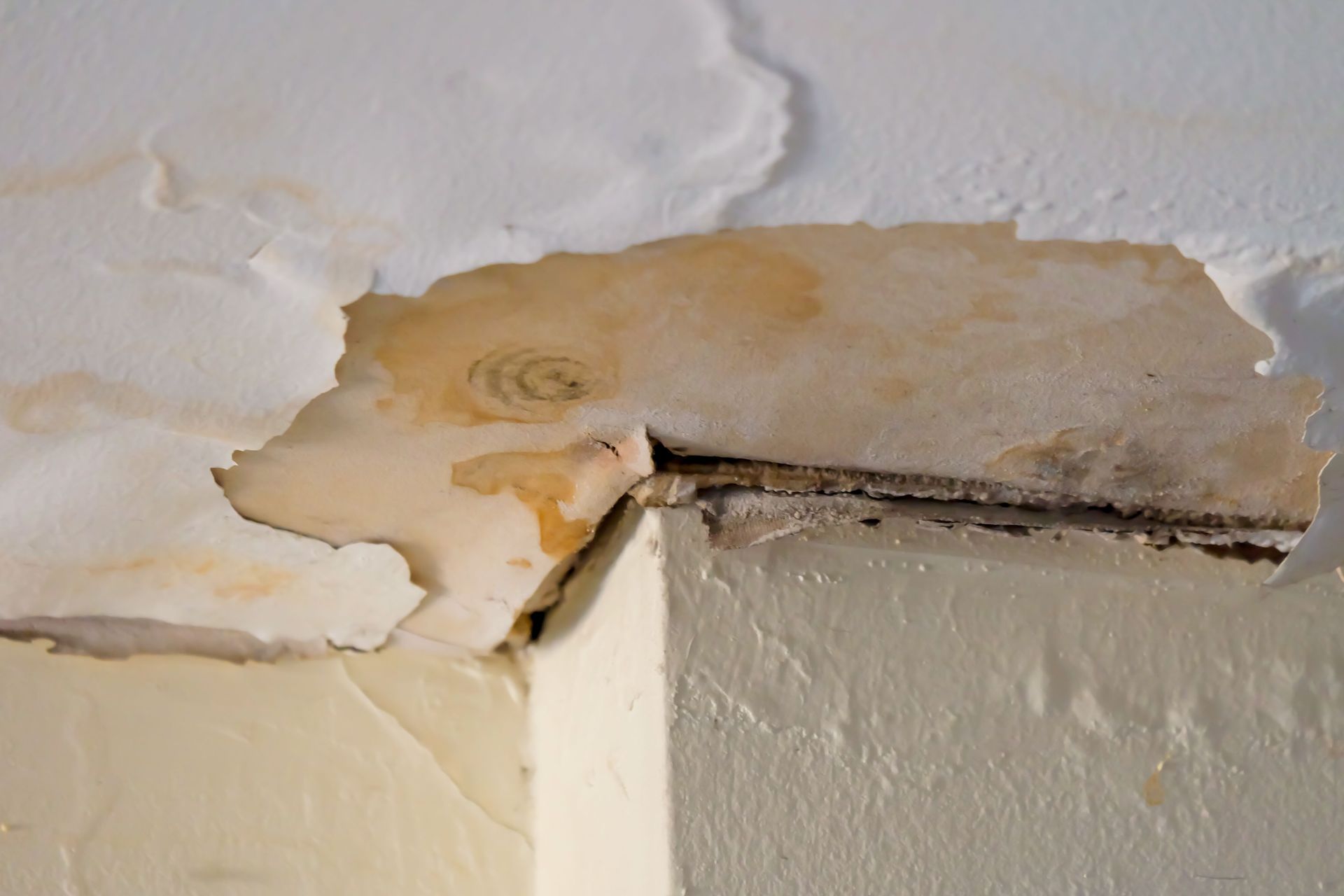
Discoloration on interior ceilings screams of ongoing water issues above the living area. A faint yellow ring expanding across white paint signifies moisture pooling above the drywall. These spots appear circular and grow in size with subsequent storms. Ignoring these expanding circles allows hazardous mold to colonize the hidden cavity. Prompt investigation prevents health hazards associated with poor indoor air quality and structural degradation.
The location of these interior blemishes offers a roadmap to the exterior flaw. Stains appearing near exterior walls point toward faulty metal flashing or compromised structural eaves. Spots manifesting in the center of a room suggest issues with vents or chimneys located above the stain. According to RoofLink, in the United States, over 40% of single-family dwellings exceed 30 years of age. Aging structures like these develop such central vulnerabilities due to persistent material fatigue.
Peeling paint or bubbling interior plaster accompanies advanced moisture saturation within the walls. The water degrades the adhesive properties of interior cosmetic finishes. Pressing on a bubbled area might release trapped fluid onto the floor. Drywall turns soft and crumbly under the gentle pressure of a human finger. Replacing compromised drywall requires eliminating the initial moisture source to prevent a recurrence of the structural damage.
Masking these ugly marks with stain-blocking primer offers no real structural solution. The underlying decay continues unabated behind the fresh coat of interior paint. Complete structural failure remains a looming threat regardless of cosmetic fixes applied by the homeowner. Individuals must address the exterior breach to stop the interior decay. Utilizing a reliable roof repair service tackles the complex problem at the source.
Evaluating the Exterior Shingles
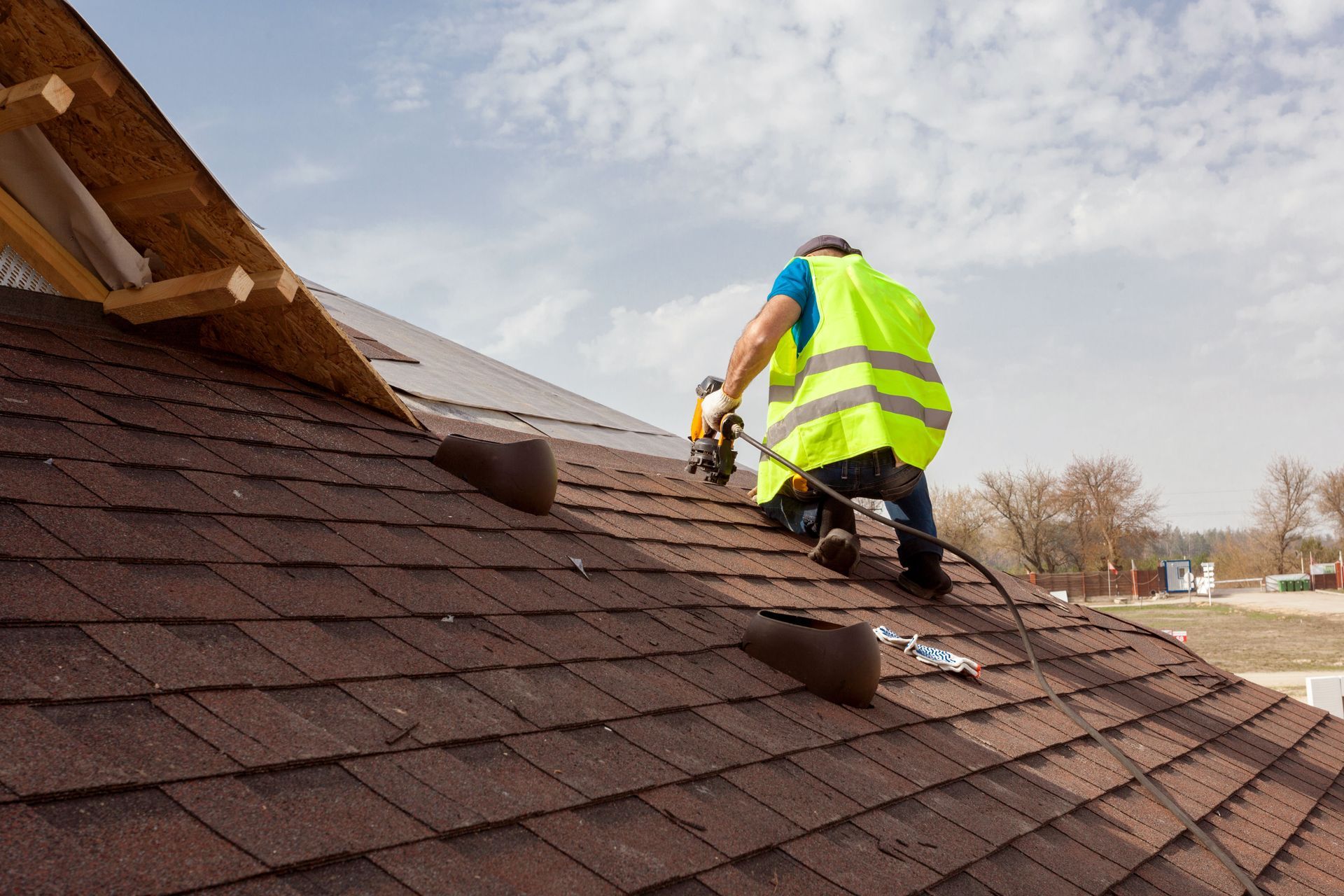
The roof of a dwelling faces constant environmental assault from the weather. Sun, wind, and rain degrade protective materials over prolonged periods of exposure. Curled edges on asphalt squares indicate advanced age and lost weatherproofing capability. Brittleness leads to severe cracking when harsh elements batter the home. Missing pieces leave the vulnerable underlayment exposed to direct precipitation and eventual rotting.
Granule loss represents another clear sign of impending material failure. These tiny stones protect the underlying asphalt from destructive ultraviolet degradation. Finding significant accumulations of these granules near downspouts warrants immediate concern from the homeowner. Bald spots on the exterior covering indicate areas prone to immediate leakage during heavy rainfall. A knowledgeable roof repair service evaluates this specific type of material degradation with professional tools.
Moss and algae growth signify trapped moisture on the exterior architectural plane. Green patches thrive in damp, shaded environments lacking direct sunlight. The roots of these organic growths pry beneath overlapping materials, lifting them clear of the wooden decking. This lifting action creates pathways for driving rain to bypass the primary defense. Removing this vegetation requires extreme care to avoid damaging the underlying delicate surfaces.
Sagging areas along the main ridgeline or across flat spans indicate severe underlying rot. Plywood decking loses its rigid structure when subjected to constant dampness and poor ventilation. A warped appearance suggests water has compromised the structural integrity of the main decking boards. Walking on these spongy sections poses a significant fall hazard for observers inspecting the damage. Immediate remediation prevents total collapse of the weakened structural sections.
Checking the Gutter System
Drainage channels direct rainfall clear of a building foundation and vulnerable exterior walls. Clogged channels force water to pool under the lowest edge of the shingle cover. Leaves, twigs, and environmental debris create massive dams that disrupt proper water flow. Contacting an expert roof repair service mitigates the extensive damage caused by overflowing channels. Regular cleaning maintains the intended flow path during heavy seasonal downpours.
Fascia boards supporting the drainage channels rot when subjected to overflowing water. Peeling exterior paint on these horizontal boards indicates consistent moisture exposure. Soft, decaying wood fails to hold the metal channel fasteners in place. As the metal fasteners loosen, the channels pull clear of the home, exacerbating the dangerous spillover. Securing these channels requires replacing the rotten wood behind them with treated lumber.
Disconnected downspouts dump massive volumes of water against the fragile foundation. This ground saturation leads to basement flooding and massive structural shifting. Splashing water degrades the lower siding and creates favorable conditions for invasive pest infestations. Extending downspouts directs the flow to a safe distance from the dwelling. Proper drainage protects the entire building envelope from top to bottom against the ravages of nature.
Metal flashing where the angled plane meets a vertical wall requires careful visual scrutiny. Rust or separation in these metal joints allows precipitation to enter the interior wall cavity. Chemical sealants applied to these joints degrade and shrink due to sun exposure. Reapplying silicone caulk offers a temporary fix for failing metal transitions. Permanent solutions involve replacing the damaged metal barriers to restore complete waterproofing capabilities.
Finding hidden moisture intrusion saves properties from extensive decay and expensive remediation. Vigilance and routine checks catch minor issues before major interventions become necessary. Understanding the subtle clues empowers homeowners to act with decisive purpose. Delaying repairs increases the eventual cost and overall scope of the restoration project. Calling a competent roof repair service guarantees a thorough resolution to massive structural vulnerabilities.
Protecting a home requires absolute dedication to ongoing maintenance. Ignoring warning signs leads to uncomfortable living conditions and diminished property value. Proactive measures create a safe and dry environment for vulnerable occupants. Homeownership demands constant attention to the highest architectural peaks and the hidden interior corners. Maintaining a watertight exterior barrier ensures profound peace of mind during the heaviest seasonal storms. Don't let hidden water damage compromise the structural integrity of your home. Contact TR Contracting, LLC today to schedule a comprehensive roof repair service and secure your property against future storms.